Discovering the Soul of L’Aquila — History, Resilience, and Revival
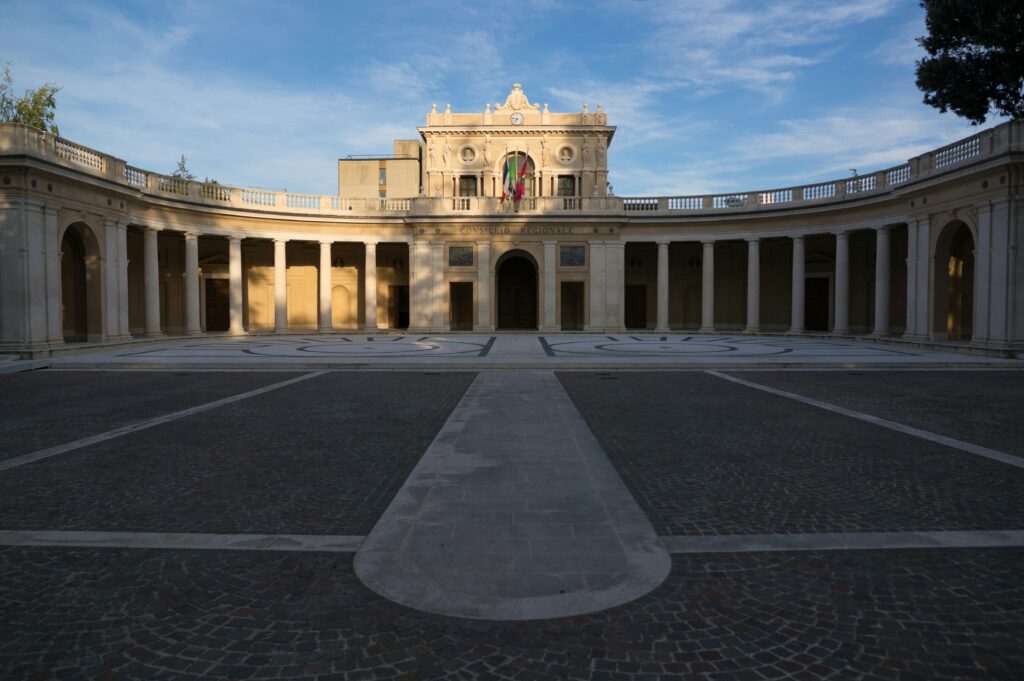
Nestled in the heart of the Abruzzo region, L’Aquila is a city defined by layers of history, quiet strength, and understated beauty. Surrounded by dramatic mountain landscapes and centuries-old villages, it offers an Italian experience that feels deeply authentic—far removed from crowded itineraries and polished tourist façades. L’Aquila is often remembered for the devastating earthquake of 2009, but that moment represents only a single chapter in a story that spans more than seven centuries.
To truly understand L’Aquila, one must look beyond tragedy and discover a city shaped by cooperation, cultural richness, and an enduring determination to preserve its identity.
A City Founded on Unity
Unlike many Italian cities that grew organically from a single settlement, L’Aquila was founded in the 13th century as a deliberate act of unity. It was established as a federation of surrounding villages, each contributing people, resources, and traditions to create a shared urban center. This cooperative origin gave the city its name—L’Aquila, meaning “The Eagle”—a symbol of strength and collective vision.
Each village formed its own quarter within the city, complete with a church, a piazza, and a fountain. These neighborhoods were designed to maintain individual identities while supporting a unified civic structure. Even today, this layout defines L’Aquila’s urban fabric, offering a sense of balance between community and cohesion that feels remarkably modern.
During the Middle Ages, this structure allowed L’Aquila to thrive as a center of wool production, trade, and political influence in central Italy. Its strategic location and shared governance helped the city prosper while maintaining strong local traditions.
Architectural Treasures and Living History
Walking through L’Aquila’s historic center feels like stepping into a living archive. Stone buildings, narrow streets, and expansive piazzas tell stories of different eras layered atop one another. Among the city’s most striking landmarks is the Forte Spagnolo, a massive 16th-century fortress built during Spanish rule. Designed to project military power and control, its imposing walls still dominate the skyline, offering insight into a turbulent period of foreign influence.
Equally significant is the Basilica of Santa Maria di Collemaggio, one of L’Aquila’s most treasured monuments. Its distinctive pink-and-white stone façade is instantly recognizable, but its importance goes far beyond aesthetics. The basilica is the site of the first Jubilee in history, established in the 13th century, and remains a powerful symbol of spiritual forgiveness and renewal.
Scattered throughout the city are countless churches, palaces, and fountains, each contributing to L’Aquila’s sense of continuity. The famous Fontana delle 99 Cannelle stands as a visual representation of the city’s founding legend, with 99 water spouts said to symbolize the original villages that formed the city. It is both a work of art and a reminder of collective identity.
The Earthquake That Changed Everything
In April 2009, a powerful earthquake struck L’Aquila, forever altering the city’s landscape and collective memory. Much of the historic center was severely damaged, homes were lost, families displaced, and cultural landmarks left in ruins. The tragedy claimed lives and created a silence that lingered long after the initial shock.
For many years, scaffolding and empty streets became symbols of uncertainty and grief. Yet beneath the surface, something else was taking shape—a long, careful process of restoration driven by respect for history rather than haste.
Rather than rebuilding quickly at the cost of authenticity, L’Aquila chose a slower path. Restoration efforts focused on preserving original materials, reinforcing historic structures, and ensuring that the past would not be erased in the name of progress.
Rebuilding with Purpose
The reconstruction of L’Aquila has been meticulous and deeply intentional. Historic buildings were restored stone by stone, blending traditional craftsmanship with modern safety standards. Churches, palaces, and public spaces were not simply repaired, but strengthened to endure future generations.
This approach required patience—from residents, artisans, and visitors alike—but it has preserved the city’s architectural soul. Today, walking through L’Aquila reveals a place that honors its past without being trapped by it.
The restoration process also reignited a sense of pride among locals, reinforcing the idea that L’Aquila’s identity was worth protecting in its original form.
A City Reborn, Quietly
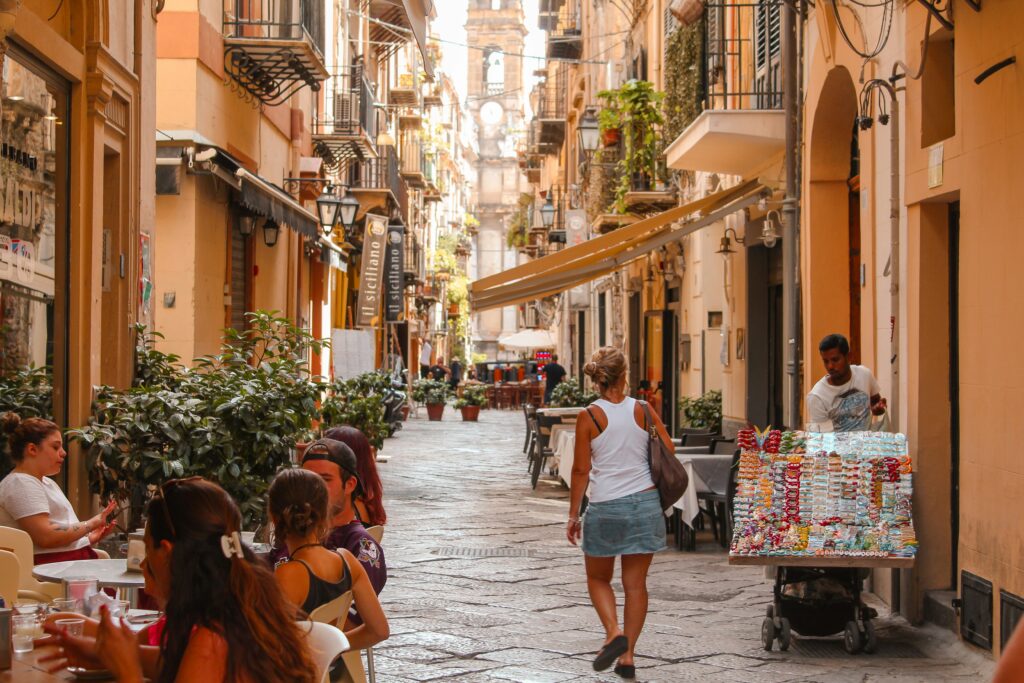
Today, L’Aquila is experiencing a gradual yet meaningful revival. University students once again fill lecture halls, bringing youthful energy back into the city. Cafés and wine bars have reopened, their outdoor tables spilling into restored piazzas. Cultural events, concerts, and exhibitions are returning, signaling a renewed confidence in the city’s future.
This rebirth is not loud or commercial. It unfolds naturally, through everyday moments—shared coffee, evening walks, conversations echoing through stone streets. Life has returned, not as a performance, but as a continuation.
Visitors who arrive now encounter something rare: a historic city actively reclaiming itself, shaped as much by resilience as by beauty.
Why L’Aquila Matters
L’Aquila is not defined by perfection. Its walls bear scars, its streets tell stories of loss as well as triumph. And yet, this is precisely what makes the city so compelling. It stands as a testament to endurance, cooperation, and respect for heritage.
To walk through L’Aquila is to witness history in motion—not frozen in time, but alive and evolving. It offers a powerful reminder that beauty does not come only from flawless preservation, but from perseverance, care, and collective memory.
For travelers seeking depth, authenticity, and a deeper connection to Italy’s cultural soul, L’Aquila is not just a destination—it is an experience that lingers long after the journey ends.