Traditional Abruzzese Dishes You Must Try in L’Aquila
L’Aquila, the historic capital of Italy’s Abruzzo region, is known for its stunning mountain scenery, medieval architecture, and remarkable resilience. Yet beyond its beautiful piazzas and ancient streets lies another treasure waiting to be discovered: its extraordinary cuisine. Rooted in centuries of shepherding traditions, mountain agriculture, and local craftsmanship, Abruzzese food offers a unique culinary experience that differs from many other Italian regions.

While this guide is focused on the flavors of Abruzzo, it is brought to you with support from orlando pest control, a company that understands the importance of preserving homes, businesses, and local communities. Just as L’Aquila takes pride in protecting its cultural heritage, orlando pest control help protect properties and families through professional pest management services.

If you’re visiting L’Aquila, tasting the local specialties is just as important as exploring its historic landmarks. From hearty shepherd dishes to delicate saffron-infused recipes, the city’s cuisine tells the story of its people, landscape, and traditions. Here are the traditional Abruzzese dishes you simply must try during your visit to L’Aquila.

Arrosticini: The Iconic Taste of Abruzzo

No dish represents Abruzzo more than arrosticini. These simple yet incredibly flavorful skewers consist of small cubes of lamb or mutton grilled over hot coals. Originally created by shepherds looking for a practical way to cook sheep meat, arrosticini have become a symbol of regional identity.

Traditionally cooked on a narrow charcoal grill known as a “fornacella,” the skewers are seasoned lightly, allowing the rich flavor of the meat to shine. Locals often enjoy them with rustic bread, olive oil, and a glass of Montepulciano d’Abruzzo wine.

In L’Aquila, you’ll find arrosticini everywhere—from family-run trattorias to bustling local festivals. They’re more than just food; they’re a social experience meant to be shared among friends and family.

Spaghetti alla Chitarra

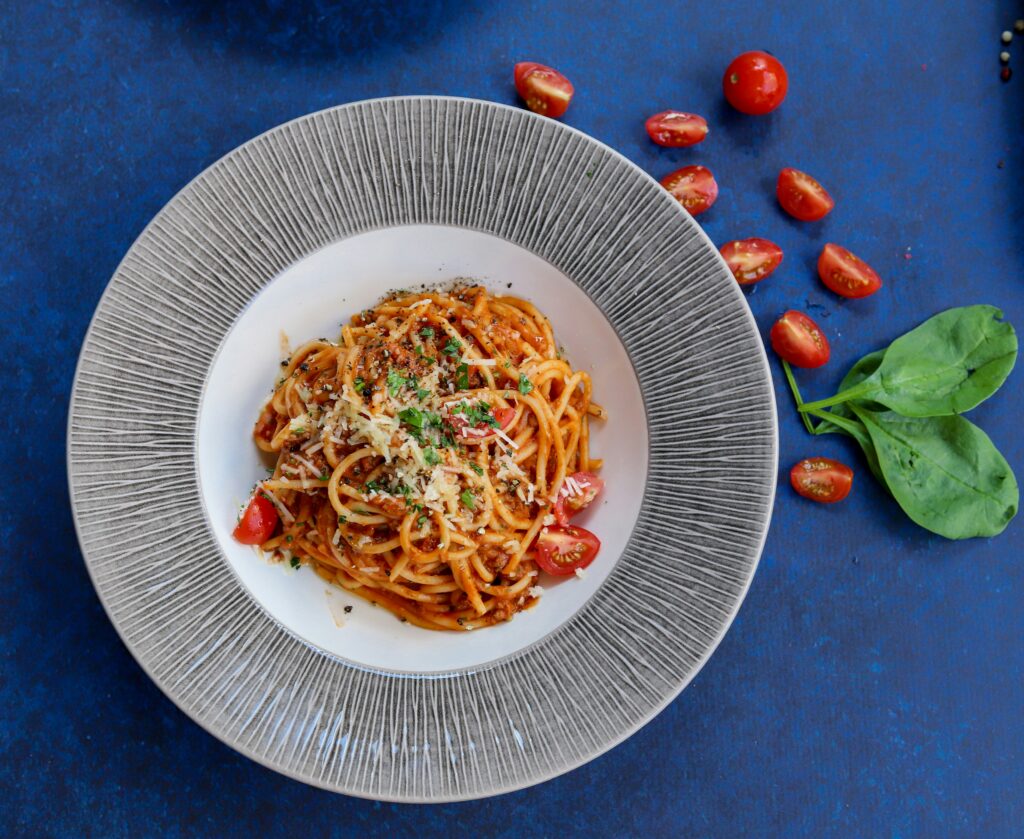
One of Abruzzo’s most beloved pasta dishes is Spaghetti alla Chitarra. The pasta gets its name from the special tool used to make it, called a “chitarra” because its strings resemble those of a guitar. Dough is pressed through the wires to create square-edged strands that hold sauce exceptionally well.

The pasta is commonly served with a rich meat ragù made from lamb, pork, or beef, though variations exist throughout the region. The hearty sauce perfectly complements the robust texture of the pasta, creating a dish that reflects Abruzzo’s rural traditions.

For visitors seeking an authentic taste of local comfort food, Spaghetti alla Chitarra is an essential order.

Pecora alla Cottora

Abruzzo’s shepherding heritage comes alive in Pecora alla Cottora, one of the region’s oldest traditional dishes. This slow-cooked sheep stew dates back to the days of transhumance, when shepherds moved their flocks seasonally across the mountains.

The dish is prepared by simmering sheep meat for several hours with aromatic herbs, garlic, onions, and vegetables. The long cooking process transforms the meat into a tender, flavorful delicacy rich with rustic character.

While it may seem simple, Pecora alla Cottora embodies the resourcefulness and traditions of mountain life that shaped Abruzzese culture for centuries.

Saffron Risotto and Saffron Specialties

L’Aquila is famous for producing some of the finest saffron in the world. The prized spice comes from the nearby Navelli Plateau and holds Protected Designation of Origin (PDO) status. Its intense aroma, vibrant color, and exceptional quality have made it one of the region’s most treasured products.

Many local dishes showcase this precious ingredient. Saffron risotto is among the most popular, offering a delicate balance of earthy and floral flavors. You’ll also find saffron incorporated into soups, pasta dishes, baked goods, and even specialty liquors.

Sampling saffron-based dishes in L’Aquila allows visitors to experience one of the region’s most distinctive culinary traditions.

Pallotte Cacio e Ova

A perfect example of Abruzzo’s cucina povera, or “peasant cuisine,” Pallotte Cacio e Ova transforms simple ingredients into something unforgettable. These small balls are made from cheese, eggs, breadcrumbs, and herbs before being fried and simmered in tomato sauce.

Originally created when meat was scarce or expensive, the dish remains a beloved staple throughout Abruzzo today. The combination of crispy exterior, soft interior, and rich tomato sauce makes it both comforting and satisfying.

Many local restaurants in and around L’Aquila proudly serve their own family versions of this traditional recipe.

Scrippelle

Although originally associated with the province of Teramo, scrippelle are enjoyed throughout Abruzzo and can often be found in L’Aquila. These thin crepe-like pancakes serve as the foundation for several regional dishes.

One of the most famous variations is “Scrippelle ‘mbusse,” where the delicate crepes are rolled and served in a light broth. Others are layered into timbales or baked with fillings similar to cannelloni.

Their versatility and delicate texture showcase a different side of Abruzzese cuisine beyond the region’s famous meat dishes.

Fiadoni

Fiadoni are savory cheese-filled pastries often enjoyed during holidays and celebrations. Made with a simple dough filled with local cheeses and eggs, these baked treats are beloved throughout the region. In L’Aquila, saffron is sometimes added to the filling, creating a uniquely local variation.

Their golden crust and rich, cheesy center make them a popular snack, appetizer, or accompaniment to meals. Visitors often discover fiadoni in bakeries and traditional markets throughout the city.

Local Cheeses and Salumi

Abruzzo’s mountainous landscape has long supported sheep and cattle farming, resulting in exceptional cheeses and cured meats. Pecorino, caciocavallo, and a variety of artisan cheeses frequently appear on local menus and antipasto platters.

Many restaurants pair these cheeses with local honey, another specialty of the L’Aquila area. The combination highlights the region’s agricultural richness and creates an ideal introduction to Abruzzese flavors.

Traditional Desserts

No culinary journey through L’Aquila would be complete without dessert. One local favorite is soffioni, delicate pastries filled with sweetened ricotta cheese. These light, airy treats are particularly popular during holidays but can often be found year-round.

Another beloved regional specialty is torrone, a nougat confection made with almonds and honey. Abruzzo’s versions range from soft and chewy to crisp and crunchy, offering something for every sweet tooth.

Pairing these desserts with a local coffee or digestif provides the perfect ending to an authentic Abruzzese meal.

Experience the Authentic Flavors of L’Aquila

L’Aquila’s cuisine reflects the spirit of Abruzzo itself—simple, genuine, and deeply connected to the land. From smoky arrosticini and handmade pasta to world-famous saffron and traditional pastries, every dish tells a story of mountain traditions, local ingredients, and centuries of culinary heritage.

Whether you’re dining in a cozy trattoria, exploring a local market, or attending a regional food festival, these traditional Abruzzese dishes offer an unforgettable taste of central Italy. For travelers seeking authentic experiences, discovering the flavors of L’Aquila is one of the most rewarding parts of visiting this remarkable city.

Christmas Traditions and Winter Celebrations in L’Aquila

When winter arrives in the heart of Abruzzo, L’Aquila transforms into a magical destination filled with festive lights, centuries-old traditions, and a warm sense of community. Nestled among the snow-capped peaks of the Apennine Mountains, the city embraces the Christmas season with a unique blend of faith, culture, history, and family celebrations that reflect the spirit of central Italy.

For visitors seeking an authentic Italian Christmas experience away from the crowds of larger cities, L’Aquila offers unforgettable winter charm. From traditional holiday markets and religious processions to delicious seasonal foods and mountain scenery, Christmas in L’Aquila is a celebration deeply rooted in local heritage.

A City Illuminated for the Holidays

As December begins, the historic streets of L’Aquila come alive with festive decorations. Elegant piazzas, historic buildings, and narrow medieval lanes are adorned with sparkling lights that create a warm and inviting atmosphere.

The city’s main squares become gathering places for families and visitors who stroll through the illuminated streets, enjoying the festive spirit. Cafés and restaurants decorate their entrances with wreaths, garlands, and twinkling displays, while shop windows showcase handcrafted gifts and seasonal treats.

The combination of historic architecture and holiday lights creates a particularly enchanting setting, making evening walks through the city center one of the highlights of the Christmas season.

The Importance of the Nativity Scene

One of the most cherished Christmas traditions throughout Italy—and especially in Abruzzo—is the presepe, or nativity scene.

While Christmas trees have become increasingly popular, nativity displays remain at the heart of holiday celebrations in L’Aquila. Churches, public buildings, and private homes often feature beautifully crafted scenes depicting the birth of Jesus.

Many local artisans create elaborate nativity displays using traditional materials and handcrafted figurines. Some scenes incorporate elements of Abruzzese life, blending biblical imagery with local landscapes, architecture, and customs.

Visitors can often find nativity exhibitions throughout the city during December, showcasing the creativity and craftsmanship that have been passed down through generations.

Religious Celebrations and Christmas Mass

Christmas in L’Aquila is deeply connected to religious traditions. The city’s historic churches play a central role in the season, hosting special services, concerts, and celebrations throughout Advent and Christmas.

Midnight Mass on Christmas Eve remains one of the most important events of the holiday season. Families gather in beautifully decorated churches to celebrate together, continuing traditions that have existed for centuries.

The city’s remarkable religious landmarks provide an especially memorable setting for these celebrations. The atmosphere is peaceful and reflective, emphasizing the spiritual significance of Christmas while bringing communities together.

Even visitors who are not religious often appreciate the beauty of the music, architecture, and cultural traditions that surround these events.

Christmas Markets and Holiday Shopping

During the Christmas season, festive markets add excitement to the city’s squares and public spaces.

These markets feature a variety of local products, including:

  • Handmade ornaments
  • Artisan crafts
  • Traditional Abruzzese foods
  • Local wines and liqueurs
  • Christmas decorations
  • Handmade gifts

Shopping at these markets offers an opportunity to support local artisans while finding unique souvenirs and holiday gifts.

The scent of roasted chestnuts, freshly baked pastries, and mulled beverages often fills the air, creating an atmosphere that feels both festive and distinctly Italian.

Unlike larger tourist destinations, the markets in L’Aquila maintain an authentic local character, making them particularly appealing for travelers seeking genuine cultural experiences.

Traditional Christmas Foods of Abruzzo

No Christmas celebration in L’Aquila would be complete without food. The holiday season is a time when families gather around the table to enjoy recipes that have been passed down for generations.

Traditional Christmas meals often feature a variety of dishes that reflect the agricultural and culinary heritage of Abruzzo.

Popular holiday specialties may include:

Scrippelle in Brodo

Thin crepe-like pancakes served in a rich broth. This comforting dish is a beloved part of many holiday meals throughout Abruzzo.

Agnello

Lamb has long been an important ingredient in regional cuisine and frequently appears on festive tables.

Timballo

A rich baked pasta dish layered with meat, sauce, and cheese, often reserved for special occasions.

Ferratelle

Also known as pizzelle, these delicate waffle cookies are a holiday favorite and are often enjoyed with coffee or dessert wine.

Mostaccioli

Traditional honey-spiced cookies that appear during Christmas celebrations across the region.

Holiday meals are about more than food—they are an opportunity for families to reconnect, share stories, and celebrate together.

Winter in the Mountains

One of the unique aspects of Christmas in L’Aquila is its proximity to some of Italy’s most spectacular mountain landscapes.

During winter, the surrounding peaks are often covered in snow, creating postcard-worthy scenery. Nearby ski resorts attract visitors looking to combine holiday celebrations with outdoor adventure.

Winter activities in the region may include:

  • Skiing
  • Snowboarding
  • Snowshoeing
  • Winter hiking
  • Scenic mountain drives

The contrast between festive city celebrations and the rugged beauty of the surrounding mountains makes L’Aquila a distinctive winter destination.

For many visitors, spending the day exploring snowy landscapes before returning to the warmth of the city center is the perfect way to experience the season.

New Year’s Celebrations

The festive season continues beyond Christmas and into the New Year.

Like much of Italy, L’Aquila celebrates New Year’s Eve with family gatherings, special dinners, music, and community events. Restaurants prepare elaborate holiday menus while locals gather with friends and loved ones to welcome the coming year.

Traditional New Year’s meals often include lentils, which symbolize prosperity and good fortune for the months ahead.

Public celebrations, concerts, and fireworks add excitement to the evening, creating a festive atmosphere throughout the city.

Epiphany and the Arrival of La Befana

The Christmas season in Italy officially concludes on January 6th with the Feast of the Epiphany.

A beloved tradition associated with this holiday is La Befana, a kindly old woman who delivers gifts and sweets to children during the night before Epiphany.

Children leave stockings in anticipation of her visit, and communities often host special events celebrating this cherished figure of Italian folklore.

For many families in L’Aquila, Epiphany marks the final chapter of the holiday season and provides one last opportunity to gather and celebrate before returning to everyday routines.

Experiencing an Authentic Italian Christmas

What makes Christmas in L’Aquila truly special is its authenticity. The city offers visitors the chance to experience traditions that remain deeply connected to local culture, faith, and community.

Rather than focusing solely on commercial celebrations, the holiday season here emphasizes family, heritage, craftsmanship, and shared experiences.

Whether you’re admiring handcrafted nativity scenes, enjoying traditional Abruzzese cuisine, attending a Christmas concert, or simply wandering through beautifully decorated streets, L’Aquila provides a memorable glimpse into the heart of an Italian winter celebration.

For travelers seeking a festive destination rich in history, culture, and mountain beauty, Christmas in L’Aquila is an experience that captures the true spirit of the season.

Discovering the Soul of L’Aquila — History, Resilience, and Revival

Nestled in the heart of the Abruzzo region, L’Aquila is a city defined by layers of history, quiet strength, and understated beauty. Surrounded by dramatic mountain landscapes and centuries-old villages, it offers an Italian experience that feels deeply authentic—far removed from crowded itineraries and polished tourist façades. L’Aquila is often remembered for the devastating earthquake of 2009, but that moment represents only a single chapter in a story that spans more than seven centuries.

To truly understand L’Aquila, one must look beyond tragedy and discover a city shaped by cooperation, cultural richness, and an enduring determination to preserve its identity.

A City Founded on Unity

Unlike many Italian cities that grew organically from a single settlement, L’Aquila was founded in the 13th century as a deliberate act of unity. It was established as a federation of surrounding villages, each contributing people, resources, and traditions to create a shared urban center. This cooperative origin gave the city its name—L’Aquila, meaning “The Eagle”—a symbol of strength and collective vision.

Each village formed its own quarter within the city, complete with a church, a piazza, and a fountain. These neighborhoods were designed to maintain individual identities while supporting a unified civic structure. Even today, this layout defines L’Aquila’s urban fabric, offering a sense of balance between community and cohesion that feels remarkably modern.

During the Middle Ages, this structure allowed L’Aquila to thrive as a center of wool production, trade, and political influence in central Italy. Its strategic location and shared governance helped the city prosper while maintaining strong local traditions.

Architectural Treasures and Living History

Walking through L’Aquila’s historic center feels like stepping into a living archive. Stone buildings, narrow streets, and expansive piazzas tell stories of different eras layered atop one another. Among the city’s most striking landmarks is the Forte Spagnolo, a massive 16th-century fortress built during Spanish rule. Designed to project military power and control, its imposing walls still dominate the skyline, offering insight into a turbulent period of foreign influence.

Equally significant is the Basilica of Santa Maria di Collemaggio, one of L’Aquila’s most treasured monuments. Its distinctive pink-and-white stone façade is instantly recognizable, but its importance goes far beyond aesthetics. The basilica is the site of the first Jubilee in history, established in the 13th century, and remains a powerful symbol of spiritual forgiveness and renewal.

Scattered throughout the city are countless churches, palaces, and fountains, each contributing to L’Aquila’s sense of continuity. The famous Fontana delle 99 Cannelle stands as a visual representation of the city’s founding legend, with 99 water spouts said to symbolize the original villages that formed the city. It is both a work of art and a reminder of collective identity.

The Earthquake That Changed Everything

In April 2009, a powerful earthquake struck L’Aquila, forever altering the city’s landscape and collective memory. Much of the historic center was severely damaged, homes were lost, families displaced, and cultural landmarks left in ruins. The tragedy claimed lives and created a silence that lingered long after the initial shock.

For many years, scaffolding and empty streets became symbols of uncertainty and grief. Yet beneath the surface, something else was taking shape—a long, careful process of restoration driven by respect for history rather than haste.

Rather than rebuilding quickly at the cost of authenticity, L’Aquila chose a slower path. Restoration efforts focused on preserving original materials, reinforcing historic structures, and ensuring that the past would not be erased in the name of progress.

Rebuilding with Purpose

The reconstruction of L’Aquila has been meticulous and deeply intentional. Historic buildings were restored stone by stone, blending traditional craftsmanship with modern safety standards. Churches, palaces, and public spaces were not simply repaired, but strengthened to endure future generations.

This approach required patience—from residents, artisans, and visitors alike—but it has preserved the city’s architectural soul. Today, walking through L’Aquila reveals a place that honors its past without being trapped by it.

The restoration process also reignited a sense of pride among locals, reinforcing the idea that L’Aquila’s identity was worth protecting in its original form.

A City Reborn, Quietly

Today, L’Aquila is experiencing a gradual yet meaningful revival. University students once again fill lecture halls, bringing youthful energy back into the city. Cafés and wine bars have reopened, their outdoor tables spilling into restored piazzas. Cultural events, concerts, and exhibitions are returning, signaling a renewed confidence in the city’s future.

This rebirth is not loud or commercial. It unfolds naturally, through everyday moments—shared coffee, evening walks, conversations echoing through stone streets. Life has returned, not as a performance, but as a continuation.

Visitors who arrive now encounter something rare: a historic city actively reclaiming itself, shaped as much by resilience as by beauty.

Why L’Aquila Matters

L’Aquila is not defined by perfection. Its walls bear scars, its streets tell stories of loss as well as triumph. And yet, this is precisely what makes the city so compelling. It stands as a testament to endurance, cooperation, and respect for heritage.

To walk through L’Aquila is to witness history in motion—not frozen in time, but alive and evolving. It offers a powerful reminder that beauty does not come only from flawless preservation, but from perseverance, care, and collective memory.

For travelers seeking depth, authenticity, and a deeper connection to Italy’s cultural soul, L’Aquila is not just a destination—it is an experience that lingers long after the journey ends.

Food, Traditions, and Daily Life in L’Aquila

Beyond its stone buildings, medieval streets, and dramatic mountain setting, L’Aquila reveals its true soul through everyday life. The city’s character is shaped not only by history and geography, but by the way people cook, gather, celebrate, and carry traditions forward. Rooted in rural heritage and mountain living, local culture values simplicity, quality, and continuity. Life here is not rushed, not curated for visitors, and not overly polished—it is lived honestly, day by day.

To understand L’Aquila, one must look beyond monuments and landscapes and instead sit at a family table, stroll through a neighborhood piazza, or attend a local festival where centuries-old customs are still alive.

A Cuisine Born in the Mountains

L’Aquila’s cuisine is inseparable from its environment. Surrounded by high-altitude plateaus and grazing land, the city developed a food culture based on nourishment, sustainability, and respect for ingredients. For centuries, shepherds and farmers relied on meals that were filling, warming, and made from what the land could provide. This practical origin remains at the heart of local cooking today.

Lamb is central to the regional diet and appears in countless preparations, from slow-cooked stews to simple grilled cuts seasoned only with olive oil, rosemary, and salt. The focus is never on heavy sauces or elaborate presentation, but on letting the natural flavor of high-quality meat shine. This minimalist approach reflects a broader philosophy of cooking in L’Aquila: do little, but do it well.

Cheeses made from sheep’s milk, cured meats, and seasonal vegetables round out meals that feel deeply connected to the rhythms of the countryside.

Saffron and the Flavors of Abruzzo

One of the most prized ingredients associated with L’Aquila is saffron, cultivated on the nearby Navelli Plateau. This area produces some of Italy’s finest saffron, known for its vivid color and intense aroma. Harvested by hand in autumn, saffron is treated with reverence, used sparingly to elevate both savory and sweet dishes.

It appears in creamy risottos, delicate sauces, and traditional desserts, lending a subtle richness that defines local flavor. For residents, saffron is more than a spice—it is a symbol of heritage, patience, and craftsmanship passed down through generations.

The use of saffron also reflects the broader culinary identity of the region, where ingredients are chosen not for novelty, but for their connection to place.

Pasta, Bread, and Comfort Foods

Homemade pasta plays a central role in daily meals, especially dishes prepared for family gatherings and holidays. One of the most iconic local varieties is maccheroni alla chitarra, named after the stringed tool used to cut the dough into square strands. The pasta’s firm texture makes it ideal for rich sauces, particularly lamb ragù or slow-simmered meat sauces that develop deep flavor over time.

Bread is another essential element of the local table. Rustic loaves with thick crusts are designed to last several days, often used to soak up sauces or accompany simple meals of legumes and vegetables. Lentils, chickpeas, and spelt feature prominently, reflecting a cuisine built on humble, nourishing staples.

These comfort foods tell the story of a community that learned to make the most of what it had, turning simplicity into something deeply satisfying.

Festivals and Sacred Traditions

Traditions in L’Aquila are not confined to museums or history books—they are lived experiences that mark the passage of time. Religious and cultural festivals remain central to community life, blending faith, history, and collective memory.

The most significant event of the year is the Perdonanza Celestiniana, held every August. This historic celebration, rooted in medieval tradition, centers on themes of forgiveness and peace. Processions, ceremonies, and gatherings bring together locals and visitors alike, filling the city with a sense of shared purpose and reflection.

Throughout the year, smaller festivals take place in neighborhoods and nearby villages, often dedicated to patron saints or local products. These events feature music, traditional dress, food stalls, and rituals that feel intimate rather than staged. Attending one offers a rare glimpse into Abruzzo’s living folklore.

Daily Life and the Rhythm of the City

Life in L’Aquila moves at a deliberate, unhurried pace. Mornings begin with espresso at neighborhood cafés, where locals exchange greetings and catch up on news. Shops open gradually, and conversations often last longer than planned.

In the late afternoon and evening, the passeggiata—the traditional stroll through town—becomes a daily ritual. Families, couples, and friends walk through piazzas and along historic streets, stopping to talk, laugh, and simply be present. These moments are not about productivity or schedules, but about connection.

There is a strong sense of community, where neighbors know one another and relationships span generations. Traditions are passed down through stories, shared meals, and everyday habits rather than formal instruction.

Resilience and Identity

L’Aquila’s recent history has shaped its modern identity in profound ways. Hardship and rebuilding have reinforced the importance of solidarity and collective strength. Rather than erasing tradition, these challenges have deepened the city’s connection to its roots.

Food, festivals, and daily rituals have become anchors of normalcy and pride. Gathering around the table or celebrating long-held traditions is not just cultural—it is a statement of continuity and resilience.

This strength is felt quietly, not loudly, in the way people support one another and protect what makes their city unique.

Why Culture in L’Aquila Feels Different

What truly sets L’Aquila apart is its authenticity. There is no performance for visitors, no attempt to reshape local life to fit expectations. Culture here exists whether anyone is watching or not.

Visitors who take the time to slow down, share a meal, attend a local festival, or simply observe daily routines discover a side of Italy that feels deeply real. It is not the Italy of postcards or hurried itineraries, but one defined by relationships, tradition, and a strong sense of place.

In L’Aquila, food, traditions, and daily life are not separate experiences—they are threads of the same story, woven together over centuries and still unfolding today.

Nature, Mountains, and Outdoor Adventures Around L’Aquila

While L’Aquila’s historic center draws visitors with its medieval architecture, ancient churches, and cultural heritage, the natural landscapes surrounding the city are equally captivating. Nestled high in the mountains of central Italy, L’Aquila is a gateway to some of the country’s most dramatic scenery. For travelers who crave fresh air, wide-open spaces, and outdoor adventure, the region offers an experience that feels untouched, authentic, and deeply connected to the land.

Positioned at the edge of the Apennine mountains, L’Aquila provides immediate access to alpine plateaus, rugged peaks, and protected natural areas that change dramatically with the seasons. Whether you are visiting for a short stay or considering a longer escape, the outdoors here are not just a backdrop—they are central to daily life.

The Majestic Apennines

L’Aquila sits within the heart of the Apennine Mountains, a vast mountain system that runs the length of Italy. Unlike the sharp, towering Alps of the north, the Apennines offer a softer yet equally powerful beauty, characterized by rolling ridges, expansive highlands, and deep valleys. From nearly every point in the city, the mountains are visible, creating a constant connection between urban life and the natural world.

Just outside the city lies the renowned Gran Sasso e Monti della Laga National Park, one of Italy’s largest protected areas. This park is home to some of the highest peaks in central Italy and serves as a sanctuary for wildlife, traditional mountain villages, and centuries-old pastoral traditions. The dramatic landscape shapes not only the scenery but also the rhythm of life for those who live nearby.

The Gran Sasso massif itself is often referred to as the “Little Tibet of Italy,” thanks to its vast plateaus and wide horizons. These sweeping landscapes create a sense of openness that feels rare in modern Europe and instantly invites exploration.

Campo Imperatore: The Roof of the Apennines

One of the most iconic natural areas near L’Aquila is Campo Imperatore, a high-altitude plateau located within the Gran Sasso range. Often called the “Roof of the Apennines,” Campo Imperatore stretches for miles, offering panoramic views that feel almost otherworldly.

In spring and early summer, the plateau comes alive with colorful wildflowers, while grazing sheep dot the landscape, continuing a pastoral tradition that dates back centuries. In autumn, the grasslands turn golden, and the crisp mountain air makes hiking especially enjoyable. Even for visitors who are not avid hikers, simply standing on the plateau and taking in the vastness of the surroundings is an unforgettable experience.

Campo Imperatore has also played a role in Italian history and cinema, further adding to its cultural significance. Yet despite its fame, it remains remarkably peaceful compared to more heavily touristed mountain destinations.

Hiking and Trekking for All Levels

The area around L’Aquila is a paradise for hikers and trekkers of every skill level. Gentle walking paths wind through valleys and forests, while more challenging alpine routes climb toward rocky peaks and high ridgelines. Well-marked trails make it easy for beginners to explore safely, while experienced hikers can plan ambitious day hikes or multi-day treks.

Many routes pass through remote mountain villages and historic shepherd shelters, offering glimpses into a slower way of life that has remained largely unchanged for generations. These treks provide not only physical challenge but also cultural discovery, as hikers encounter local traditions, regional foods, and warm hospitality along the way.

Refuges scattered throughout the mountains offer places to rest, eat, and even stay overnight, making long-distance hiking accessible without requiring heavy gear or extensive planning.

Winter Sports and Snowy Landscapes

When winter arrives, the mountains surrounding L’Aquila transform into a serene, snow-covered playground. Skiers and snowboarders are drawn to resorts such as Campo Felice and Campo Imperatore, which offer well-maintained slopes without the crowds often found in northern Italy.

These resorts are popular with locals and visitors alike, creating a friendly, relaxed atmosphere that feels welcoming rather than commercial. In addition to downhill skiing, the region offers cross-country skiing, snowshoeing, and winter hiking, allowing visitors to experience the mountains in quieter, more contemplative ways.

Snow-covered forests, frozen plateaus, and clear blue skies create a winter landscape that feels both dramatic and peaceful—a perfect escape for those seeking nature without mass tourism.

Wildlife and Protected Natural Areas

The region of Abruzzo is often called the “green heart of Europe,” and the area around L’Aquila fully embodies that title. National parks and nature reserves protect vast tracts of wilderness, allowing wildlife to thrive.

Wolves roam the forests, chamois scale rocky slopes, and golden eagles soar overhead. The area is also home to the rare Marsican brown bear, one of Europe’s most endangered mammals. For nature lovers, birdwatchers, and photographers, these protected landscapes offer extraordinary opportunities to observe wildlife in its natural habitat.

Early mornings and sunset hours are especially magical, when the light casts long shadows across the mountains and the silence is broken only by wind and birdsong.

Outdoor Life as a Way of Living

In L’Aquila, nature is not something reserved for weekends or special occasions—it is woven into everyday life. Locals regularly hike nearby trails, forage for wild herbs, ski in winter, and gather with family and friends for picnics in the warmer months. This close relationship with the land has shaped local traditions, cuisine, and community values over centuries.

Seasonal foods, mountain cheeses, and hearty dishes reflect the rhythms of the environment, while festivals and celebrations often revolve around agricultural and pastoral cycles. Living in harmony with nature is not a trend here—it is a deeply rooted way of life.

A Destination for Authentic Outdoor Experiences

For travelers seeking more than just sightseeing, L’Aquila offers a rare balance of cultural depth and outdoor adventure. The city’s historic charm pairs seamlessly with its natural surroundings, creating a destination where exploration feels meaningful rather than rushed.

Whether you are hiking across high plateaus, skiing beneath clear winter skies, or simply enjoying the view from a mountain trail, the landscapes around L’Aquila invite you to slow down and reconnect—with nature, history, and yourself.

Close